Shower Builds

Waterproofing Your Shower: The Key to a Leak-Free Bathroom

When it comes to building a shower, waterproofing is essential. Tile and grout are porous materials that can allow water to seep through, causing leaks and mold growth. It is vital that what’s behind your tile is properly waterproofed to prevent these problems.

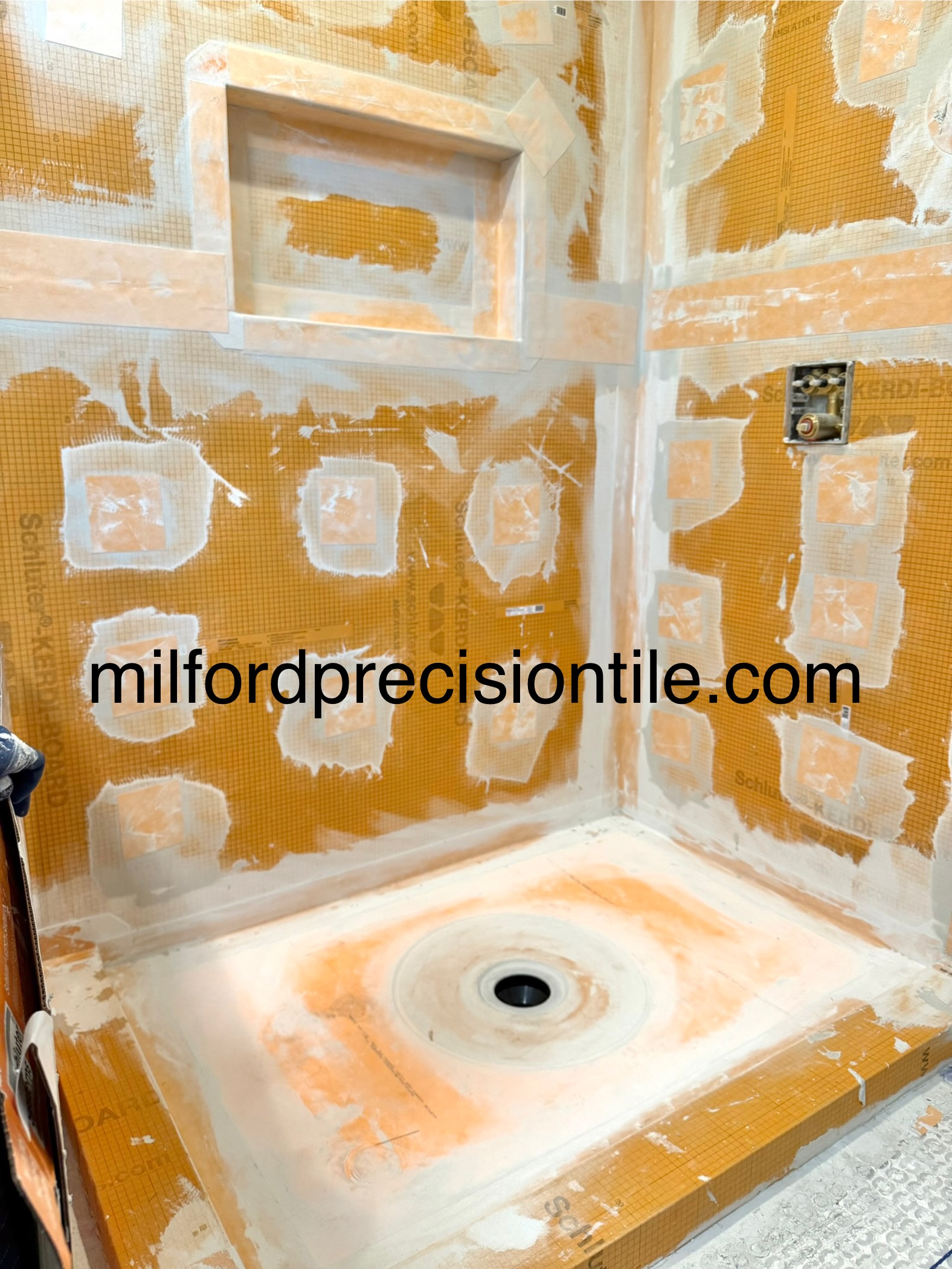
At Precision Tile, we understand the importance of waterproofing showers. That’s why we apply a waterproof membrane to all of our shower builds. Our Schluter system is the gold standard in shower waterproofing, and it guarantees that your shower will be leak-free for years to come.

In addition to our waterproofing expertise, we also specialize in ripping out old showers and building new ones. We can handle any size or scope of project, from a small bathroom remodel to a complete gut and renovation.

We are committed to providing our customers with the highest quality workmanship and customer service. We are fully licensed and insured, and we offer a satisfaction guarantee on all of our work.

If you’re looking for a professional and reliable shower waterproofing company, contact Precision Tile today. We would be happy to schedule a consultation to discuss your project and answer any questions you have.

Contact us today to schedule a free estimate!


    FAQs: Waterproofing & Shower Repair

    How can I tell if my shower is leaking behind the tiles?

    Signs of a hidden leak include loose or hollow-sounding tiles, crumbling grout, mildew smell, water stains on ceilings or walls nearby, and persistent dampness outside or inside the shower. If you notice any of these, it’s best to have a professional inspection before the damage worsens.

    What causes a tiled shower or tub surround to start leaking?

    Leaks typically start when the waterproofing system behind the tile fails. Tile and grout are cosmetic. Water will always permeate through tile and grout. Showers must have waterproofing behind the tile. Leaks can happen due to age, poor installation, use of subpar materials, or no use of waterproofing at all behind the tile. Once the waterproofing is compromised, moisture seeps into the wall, causing further damage over time. Water will always follow the path of least resistance. Showers must be water-tight behind the tile.

    Can you waterproof a shower without tearing out all the tiles?

    No. In some minor cases, surface sealers and targeted repairs may help temporarily. We must emphasize the word temporarily. This will not be a complete fix. True waterproofing happens behind the tile. This means you will need to remove the tile to install proper waterproofing. Tile, grout, and caulking are cosmetic and do very little in the way of waterproofing. Water will always permeate through tile and grout. If the underlying system has failed, full tile removal is necessary to ensure a lasting fix.

    What's the process for rebuilding a leaking shower?

    • Day 1: We carefully remove the tile inside the shower enclosure. In most cases, we can do this without damaging anything else inside the bathroom. Everything inside the shower enclosure will be removed down to the bare studs.. Any additional compromised materials will be removed and addressed.
    • Day 2: We will have a licensed plumber come and do any fixes or changes while the walls are open and accessible. If you do not have a plumber of choice, we will provide one for you. In some cases, a Plumber is not needed, and we can bypass this step.
    • Day 3: We will install our waterproofing system directly to the exposed studs. If a plumber is not necessary for the shower rebuild, we can do this step on day one. We will start installing a tile of your choice over the waterproofing system with high-quality materials specified for the waterproofing system.
    • Day 4: We will grout your tile with a high-quality grout (your choice of color) that has mold, mildew, and stain blockers added to it. We ensure every layer is up to industry standards for a water-tight, long-lasting installation.

    How long does it take to redo a leaking shower from start to finish?

    On average, rebuilding a shower takes 4 days to complete. Some factors that can affect this are whether a plumber will be needed. If a plumber is needed, it typically only adds one additional day. We always coordinate with a licensed plumber to come in immediately after demolition. This way, there is no downtime on the project.

    Another factor that can affect this timeline is any unforeseen damage that is inside the wall due to excessively long durations of time or water exposure. This is why it’s important to get the issue fixed as soon as possible. We’ll provide a clear timeline before we begin so you know what to expect every step of the way. We know that in some cases, this may be your only shower, and we pride ourselves on getting things done quickly and efficiently so that your life can return to normal.

    Is mold an issue when repairing or rebuilding a leaking shower?

    It can be. In most cases, mold is not prominent. Long durations of water exposure inside your walls can cause mold. In most cases, signs of leakage are noticeable before mold starts to grow. This is why it’s important to address the situation once signs of leakage are noticed.

    Wherever there’s trapped moisture, mold can grow. Wherever there is continuous water exposure to porous materials such as Wood or Drywall, then mold can grow as well. We use mold-resistant materials to protect your new shower from future issues.

    What kind of waterproofing materials does Precision Tile use under tile?

    We use premium, industry-trusted systems like Schluter®-KERDI and LATICRETE® Hydro Ban, depending on your project. These membranes create a reliable moisture barrier that repels water and is backed by a lifetime guarantee.

    How do I choose the right tile for a rebuilt shower or tub area?

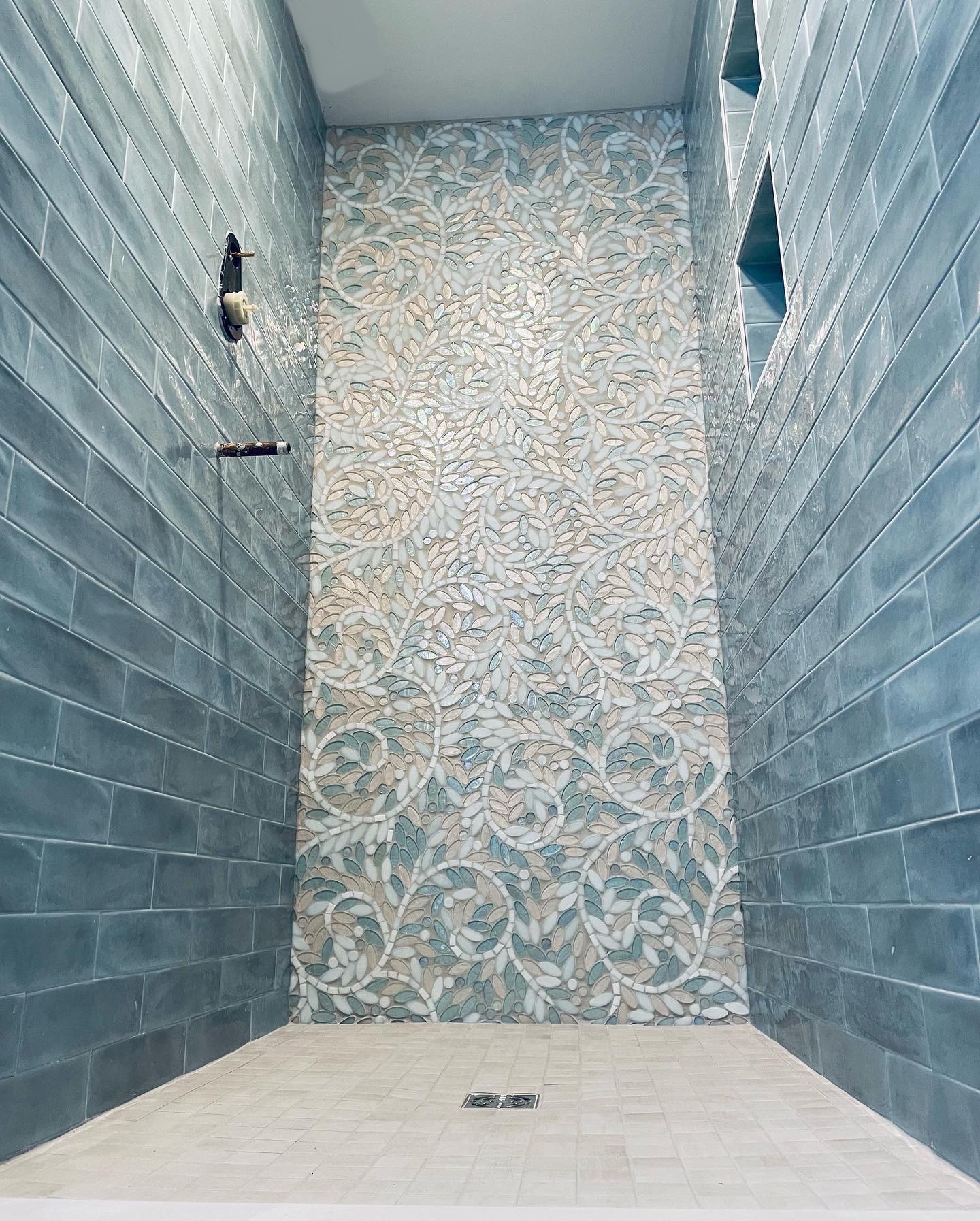
    Let your imagination guide you! Porcelain, ceramic, Stone, and glass can all be installed on shower walls. It is important to note that Stone is very high maintenance and will need to be resealed annually. Though glass can go inside a shower, it is not recommended to be placed on the shower floor. This is because it can easily chip or crack, resulting in a sharp edge that can be dangerous to bare feet.

    We can help guide you and offer suggestions on tile choices by showing you what’s popular in the design world. Though we don’t sell tiles, we can definitely direct you to some great tile shops that will have many great choices for you to pick from. Different materials of tiles and different dimensions of tiles have different recommended installations. We would be happy to go over those applications with you.

    Can Precision Tile redo an entire bathroom or just the shower?

    We do both! Whether you’re updating just the shower or planning a full bathroom tile remodel—from floor to ceiling—we can handle the entire scope. We specialize in transforming bathrooms with custom tile work that brings beauty, function, and long-term durability to your space.

    Do I need to hire my own plumber or electrician when remodeling my bathroom with tile?

    Not necessarily. Precision Tile coordinates with licensed plumbers and electricians when your project requires it, or we’re happy to work with your preferred contractors. Either way, we’ll make sure the timeline and work are streamlined so you’re not stuck managing multiple trades.

    Will you remove the old tile and fixtures before installing new ones?

    Yes. We start every remodel by carefully removing old tile, fixtures, and damaged materials to create a clean slate. This allows us to assess any hidden issues and prepare the surface properly for a long-lasting tile installation.

    How much does a full tiled shower remodel typically cost?

    There is a very broad range of pricing involved, from the costs of the tile that is chosen to the size/scope of the project. Luckily, we give free estimates! We’ll give you a detailed quote after an on-site evaluation so you understand exactly what’s included—no guesswork, no surprises.

    Can you tile over existing tile in a bathroom?

    In certain situations, yes—but only if the existing tile is firmly bonded, level, and free of water damage or mold. That said, we typically recommend removing old tile to ensure the best waterproofing and long-term performance. We’ll inspect your space and explain the safest and most effective approach.