
FLOOR INSTALLATION
We are a team of experienced and certified flooring professionals with a deep understanding of all floor substrates. We know that the right underlayment is essential for the longevity of any floor, especially in areas with extreme weather conditions like New England.
Wood subfloors expand and contract with changes in humidity and temperature, which can cause cracking and damage to the flooring. The correct underlayment can help to stabilize the subfloor and prevent these problems. We use only the highest quality underlayments in our installations, and we are confident that we can provide you with a floor that will last for years to come.
We pride ourselves on building things to last, and we are committed to providing our customers with the best possible service. We offer free consultations and estimates, and we are always happy to answer any questions you may have.
If you are looking for a flooring contractor who can provide you with a beautiful, long-lasting floor, please contact us today. We would be happy to discuss your project and help you choose the perfect flooring solution for your needs.
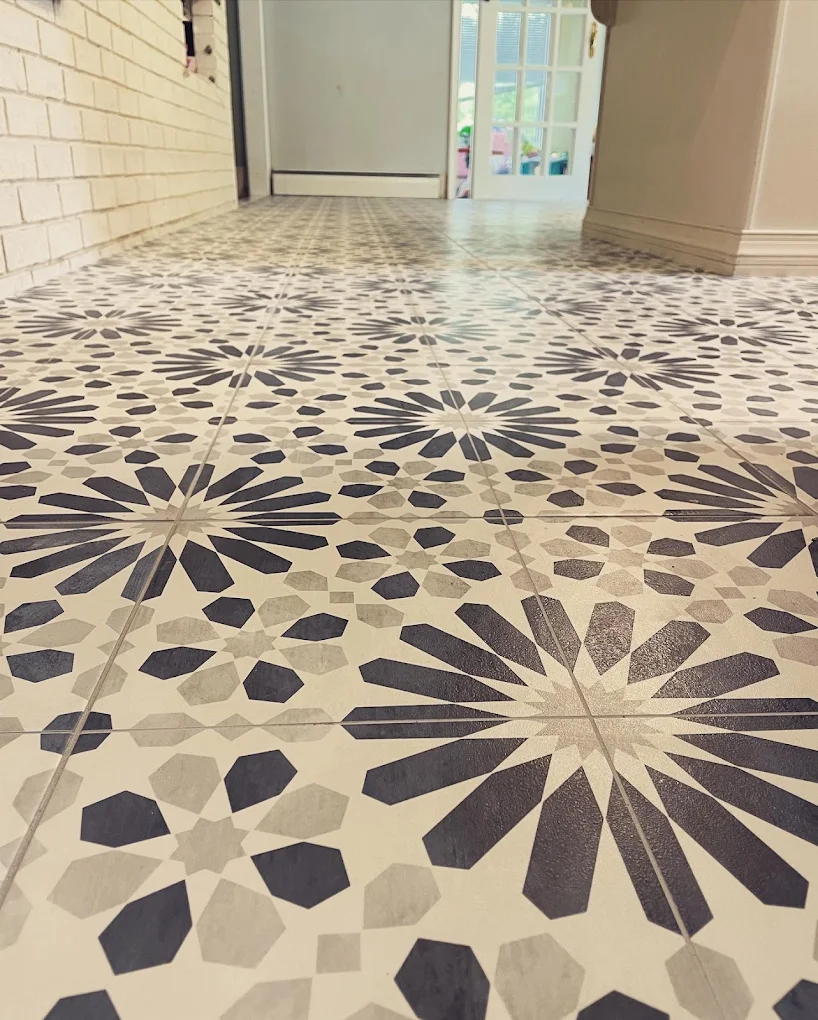
Contact us today to schedule a free estimate!
FAQs: Flooring & Whole-Home Tile Projects
Can you install tile flooring over concrete, wood, or vinyl?
Yes, we can install tile over all of those surfaces, as long as the subfloor is stable and properly prepared. Preparation is key! Concrete often needs to be leveled or patched. Wood may require a cement backer board or an uncoupling membrane. Vinyl must be securely bonded and free of moisture issues. A special paintable membrane should be applied to create a porous substrate. We’ll assess your existing floor and recommend the right prep work to ensure a long-lasting tile installation.
What's the difference between ceramic, porcelain, glass, recycled glass, and natural stone tiles for floors?
- Ceramic is affordable and available in many colors and patterns—great for low-traffic areas and walls. It cannot be installed outside.
- Porcelain is the strongest of Tile materials and is often used in commercial applications because of its durability. It can be installed anywhere, even outside for exterior applications.
- Natural Stone (like slate, travertine, or marble) offers unmatched timeless beauty but requires sealing and more maintenance.
- Glass should not be installed on the floor. It can easily chip or crack, causing a sharp, dangerous surface.
- Recycled glass is exactly what’s in the name. Recycled glass is more durable than regular glass tile. So durable, in fact, that it can be used on floors.
We’ll help you choose the right tile based on your space, lifestyle, and design goals.
Do you install heated floors?
Yes! We offer electric radiant floor heating systems that can be installed beneath your tile. Heated floors are especially popular in bathrooms, kitchens, and basements, and add a touch of comfort and luxury, especially during New England winters. They can even radiate enough heat to warm the air inside a room. Once you have heated floors, you’ll wonder how you lived without them.
Is tile flooring slippery when wet, and are there anti-slip options?
Tile can be slippery when wet, but there are many anti-slip options available. Look for tiles with a textured or matte finish, or a high slip-resistance rating (like a DCOF value of 0.42 or higher). We’ll guide you toward flooring options that are safe, stylish, and suited to your space.
How long does it take to tile a floor in a kitchen or living space?
Most floor tiling projects take 1 to 3 days, depending on the room size, tile layout, and if any prep work is needed. We’ll give you a clear timeline and keep your project moving efficiently from start to finish.
