
By Precision Tile – Tile Experts Proudly Serving Connecticut
When it comes to tiling your bathroom—or any floor in your home—one of the first decisions you’ll face is:
Should I choose ceramic, porcelain, or natural stone tile?
Each material has its own benefits and drawbacks. The right tile for your project depends on your style preferences, budget, durability needs, and how much maintenance you’re willing to commit to.
At Precision Tile, we help Connecticut homeowners choose tile that doesn’t just look great—it holds up beautifully for years to come. In this guide, we’ll compare ceramic, porcelain, and stone tile so you can confidently pick the best fit for your lifestyle.
Tile Type Overview: What’s the Difference?
Let’s start with the basics:
| Tile Type | What It Is | Best For |
| Ceramic | Kiln-fired clay tile, often glazed | Budget-friendly projects, walls, light-traffic floors |
| Porcelain | Denser, harder type of ceramic | Bathrooms, kitchens, high-traffic or wet areas |
| Natural Stone | Cut from real rock (marble, slate, travertine, etc.) | Luxury spaces, timeless aesthetics, resale value |
Ceramic Tile: Affordable and Stylish
Ceramic tile is one of the most common choices for floors and walls, especially in Connecticut’s older homes and cost-conscious remodels.
✅ Pros:
- Wide variety of colors, patterns, and textures
- Often the most affordable tile option
- Great for bathroom floors, backsplashes, and powder rooms
- Lightweight and ideal for DIY projects
❌ Cons:
- Less dense than porcelain
- More prone to chipping or cracking under heavy loads
- May absorb more moisture (not ideal for wet, high-traffic areas)
- Can wear out faster with long-term foot traffic
CT Tip: We often use ceramic tile in guest baths, laundry rooms, or half-baths—where you want visual appeal without needing heavy-duty durability.
Porcelain Tile: Tough, Durable, and Water-Resistant
Porcelain tile is a more refined version of ceramic. It’s fired at a higher temperature, making it denser, harder, and more water-resistant.
✅ Pros:
- Exceptionally durable—ideal for high-traffic floors
- Less porous = better stain and moisture resistance
- Holds up well to temperature changes (perfect for radiant heating systems and outdoor applications
- Available in realistic wood, stone, and cement looks
- Great for Connecticut’s humid summers and freezing winters
❌ Cons:
- Harder to drill holes for towel racks, grab bars etc.(requires special tools)
- Slightly more expensive than ceramic
- harder to find smaller format tile
CT Insight: Porcelain is our go-to for bathroom floors, showers, kitchens, outdoor applications and mudrooms—especially in busy households where moisture and durability are key concerns.
Natural Stone Tile: Timeless Beauty, Premium Appeal
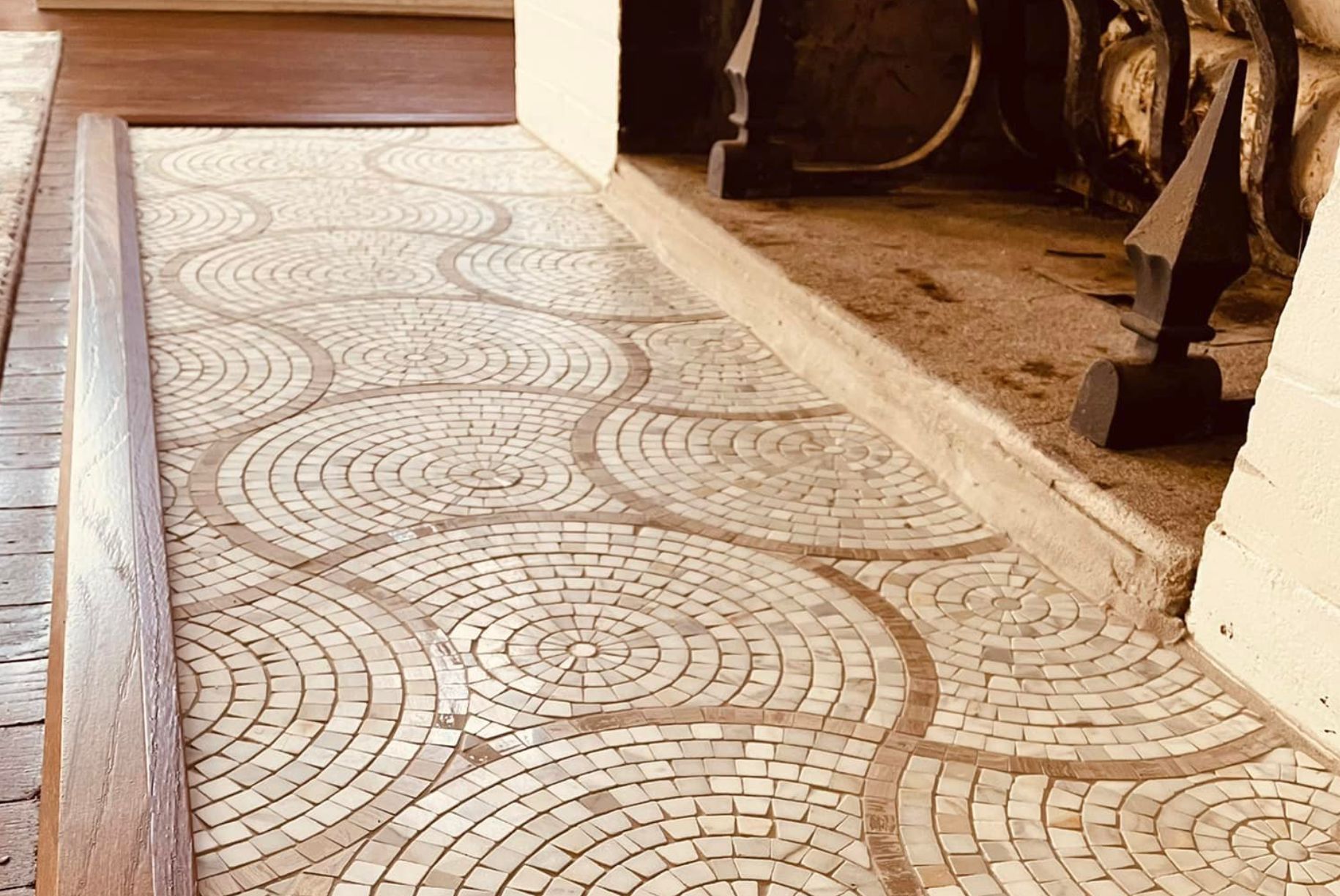
For homeowners looking for a truly unique, high-end look, natural stone tile offers unbeatable charm. Made from marble, slate, travertine, granite, or limestone, no two tiles are alike.
✅ Pros:
- Luxurious and one-of-a-kind appearance
- Adds real estate value and timeless style
- Cool underfoot (great in summer, ideal for radiant floor heating)
- Strong and long-lasting with proper care
❌ Cons:
- Higher price point
- Requires sealing and periodic maintenance
- Can be more sensitive to acids (like vinegar or citrus cleaners)
- May show wear faster in soft stones like marble or limestone
CT Consideration: We often install stone tile in master bathrooms, historic homes, or upscale properties where the look is just as important as the function.
Durability Comparison
| Feature | Ceramic | Porcelain | Natural Stone |
| Scratch Resistance | Moderate | High | Varies (Granite = high, Marble = low) |
| Water Resistance | Moderate | Excellent | Depends on stone and sealing |
| Stain Resistance | Moderate | Excellent | Low without sealing |
| Chip/Crack Resistance | Fair | Excellent | Good (varies by stone type) |
Maintenance Requirements
- Ceramic: Low maintenance; basic cleaning works.
- Porcelain: Virtually maintenance-free. Sealing the grout is usually sufficient.
- Stone: Requires more care—regular sealing, gentle cleaning products, and occasional polishing.
CT Note: Connecticut’s mix of seasonal humidity and older home subfloors means proper installation and sealing matter even more. At Precision Tile, we always prepare your surfaces with moisture in mind.
Cost Breakdown in CT (per square foot, installed)
| Material | Approximate Cost (Installed) |
| Ceramic Tile | $2–$18 per sq ft |
| Porcelain Tile | $3–$25 per sq ft |
| Natural Stone Tile | $6–$40+ per sq ft |
Prices vary based on tile selection, layout complexity, subfloor prep, and installation method.
Which Tile Is Best for You?
Here’s a quick breakdown based on lifestyle:
- On a budget, but want style? Go with ceramic.
- Busy household with kids or pets? Choose porcelain.
- Designing your forever bathroom or luxury space? Invest in natural stone.
- Want radiant heated floors? Porcelain or stone pair well with CT-based radiant systems.
Still unsure? We’ll help you select the right material based on your needs, budget, and long-term goals.
Why Homeowners Across Connecticut Trust Precision Tile
At Precision Tile, we’ve been helping CT homeowners make smart, stylish tile choices for more than 20 years. We don’t just install tile—we guide you through the material selection process so your floor is:
- ✅ Durable
- ✅ Moisture-resistant
- ✅ Aesthetically consistent with your space
- ✅ Installed to last
Whether you’re remodeling a master bath in New Haven, upgrading a powder room in Stamford, or replacing aging tile in a coastal Westport property, we bring expertise and craftsmanship to every project.
📞 Ready to Choose the Perfect Tile for Your Floors?
Let’s take the guesswork out of tile selection. Contact Precision Tile today to schedule a no-pressure consultation anywhere in Connecticut.
📍 Quality materials. Professional install. Local experts you can trust.


